Artificial Grass: Transforming Sports and Landscaping
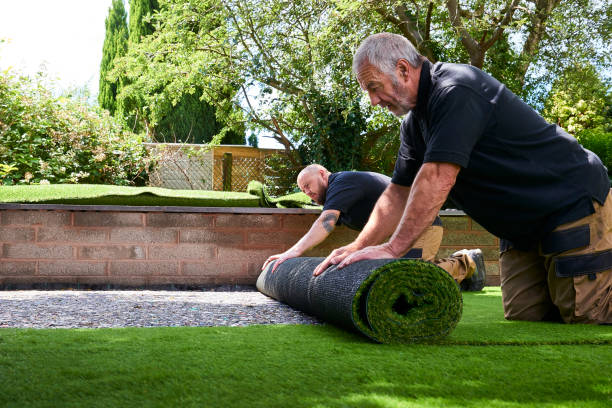
Artificial grass has actually ended up being progressively preferred in recent times, transforming the way professional athletes and property owners come close to sporting activities areas and landscaping. Originally created for professional sporting activities places, synthetic grass currently finds applications anywhere from household yards to secondary school stadiums. This fabricated surface flaunts a number of benefits over natural lawn, including reduced upkeep prices, boosted durability, and boosted visual charm. In this write-up, we will certainly check out the advantages, applications, and environmental factors to consider connected with synthetic grass.
Among the primary reasons for the increase in appeal of artificial grass is its reduced maintenance requirements. Unlike natural lawn, which demands routine mowing, watering, and fertilization, artificial surfaces require marginal upkeep. This is specifically beneficial for regions experiencing drought or minimal water sources, as artificial lawn stays environment-friendly and rich without the continuous demand for irrigation. Consequently, colleges, sporting activities organizations, and property owners are increasingly welcoming synthetic options to conserve both money and time. Discover here more about synthetic turf.
Sturdiness is another substantial factor driving the fostering of synthetic turf. Created to endure hefty foot traffic, severe weather, and long term direct exposure to sunshine, artificial turf preserves its stability and look with time. This durability makes synthetic lawn a suitable selection for multi-purpose sporting activities areas, play grounds, and entertainment areas where high usage is anticipated. With appropriate installment and care, artificial surface areas can last for 10 to 15 years or even more, supplying a dependable solution for sports and entertainment demands.
While this synthetic turf installation offers many advantages, it's necessary to consider its environmental influence. Modern artificial turfs are made from polyethylene and other products, increasing issues about their long-term sustainability. However, improvements in recycling procedures have actually led the way for even more environmentally friendly choices. Some makers now supply synthetic turf made from recycled materials or that can be reused at the end of its lifespan. Furthermore, synthetic grass gets rid of the demand for chemical pesticides and plant foods, advertising healthier atmospheres for both people and animals.
In conclusion, artificial grass provides a compelling remedy for sports centers and landscape design tasks alike. Its combination of reduced upkeep, durability, and recurring innovations in sustainability make it an eye-catching option for homeowners, institutions, and athletic organizations looking for reputable alternatives to natural lawn. As the appeal of artificial lawn continues to grow, accepting these developments can result in greener and much safer leisure areas for all. For more information about this, visit: https://www.encyclopedia.com/plants-and-animals/agriculture-and-horticulture/horticulture/turf.
